united flight ua109 diversion
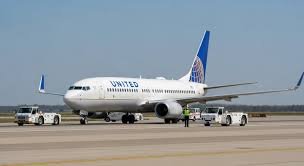
Introduction to the United Flight UA109 Diversion
Air travel is often a smooth experience, but sometimes unexpected events can turn the journey upside down. One such occurrence was the recent diversion of United Flight UA109. This incident has sparked curiosity and concern among frequent flyers and aviation enthusiasts alike. What led to this sudden change in course? How did it affect those on board? Join us as we delve into the details of this flight diversion, exploring its impact on passengers and crew, responses from United Airlines and regulatory bodies, as well as insights into safety protocols that keep air travel safe. Buckle up; it’s going to be an informative ride!
What happened during the flight?
United Flight UA109 experienced an unexpected diversion shortly after takeoff. The flight, which was headed to its intended destination, encountered technical issues that necessitated a rapid change in course.
Passengers onboard were initially unaware of the situation as the crew worked diligently to assess the problem. Communication remained calm and clear, aiming to reassure everyone on board.
As they flew over unfamiliar territory, passengers could see landmarks below but had no idea where they were heading next. Anxiety levels among some began to rise as uncertainty loomed.
The pilot ultimately made the decision to divert to an alternate airport for safety reasons. This choice prioritized passenger well-being above all else, reflecting a commitment to safety protocols ingrained in aviation practices.
Impact on Passengers and Crew
The diversion of United Flight UA109 had immediate effects on everyone onboard. Passengers experienced a whirlwind of emotions, from confusion to frustration. Many were anxious about what lay ahead.
For the crew, it was a test of training and composure. They needed to ensure that all passengers felt safe and informed during the unexpected situation. Communication became crucial as they relayed updates regarding the flight’s status.
Once on the ground, passengers faced delays in rebooking and connecting flights. Some missed important events or connections due to this unforeseen change in plans. Others found themselves navigating an unfamiliar airport late at night.
Emotions ran high amid uncertainty, but acts of kindness emerged as well — fellow travelers shared snacks and stories while waiting for information. The human spirit shone brightly even amidst adversity.
Response from United Airlines and the FAA
After the diversion of United Flight UA109, United Airlines acted swiftly. They prioritized passenger well-being and communicated updates through various channels. Passengers received timely information about rebooking options and accommodations.
The FAA also took immediate interest. Their role was to assess the situation for compliance with safety protocols. An investigation was launched to examine the circumstances leading to the diversion.
Both entities emphasized their commitment to safety in air travel. United Airlines thanked passengers for their understanding during the unexpected event while reiterating their dedication to operational excellence.
The FAA’s response highlighted transparency as crucial in addressing any concerns from travelers or media outlets. This collaborative approach aimed at ensuring trust between airlines and passengers during unforeseen situations like this one.
Safety and Emergency Procedures on Flights
Safety and emergency procedures are vital aspects of air travel. Every flight begins with a safety briefing, often delivered by the cabin crew. Passengers learn about seat belts, exits, and life vests in case of an emergency.
Aircraft are equipped with advanced technology to handle various situations. Pilots receive extensive training on how to manage potential crises. This ensures they can make informed decisions during emergencies.
Crew members also undergo rigorous drills regularly. They practice scenarios like evacuations or medical emergencies to stay prepared under pressure.
In-flight announcements remind passengers to remain calm and follow instructions during unforeseen events. Compliance is crucial for ensuring everyone’s safety.
Additionally, each airline has specific protocols tailored to its fleet. Understanding these procedures enhances passenger confidence when flying, knowing that safety is always prioritized above all else.
How often do diversions occur?
Flight diversions are not as uncommon as many travelers might think. In fact, they happen more frequently than most realize. On average, around 1% of all flights experience a diversion due to various reasons.
Weather conditions often play a significant role in these incidents. Severe storms or unexpected turbulence can lead pilots to change their flight paths for safety.
Technical issues with the aircraft also contribute to diversions. If an onboard malfunction occurs that compromises safety, pilots must act quickly and land at the nearest airport.
Medical emergencies onboard can result in immediate rerouting as well. The priority is always the well-being of passengers and crew members.
While diversions may be inconvenient, they highlight the importance of maintaining safety protocols during air travel. Every decision made by flight crews aims to ensure everyone on board arrives safely at their destination.
Conclusion: The Importance of Preparedness in Air Travel
Preparedness is a critical aspect of air travel. The recent incident involving United Flight UA109 serves as a reminder of how quickly situations can change in the skies. Passengers and crew must be ready for unforeseen events, whether it’s technical issues or weather changes.
Airlines have rigorous safety measures and protocols to manage diversions effectively. Understanding these procedures can help ease anxiety during unexpected circumstances. Travelers should stay informed about their rights and what to expect during such disruptions.
As technology advances and air travel continues to evolve, staying prepared remains essential for everyone involved—from airlines to passengers. Embracing this mindset can make all the difference when faced with challenges mid-flight, ensuring that safety always comes first while navigating the complexities of modern aviation.