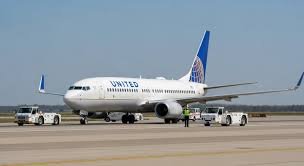
Behind the Scenes of United Flight UA109: A Look at the Diversion Incident

Table of Contents
Introduction to United Flight UA109
When it comes to air travel, passengers trust airlines to ensure their safety and comfort. However, unexpected events can turn a routine flight into an unforgettable experience. Such was the case with United Flight UA109, which recently made headlines for its dramatic diversion. As the plane soared through the skies, what unfolded below left passengers and crew on edge. This incident not only highlights the unpredictable nature of flying but also raises important questions about airline protocols and passenger safety. Join us as we delve into the details of this remarkable event that captures both tension and triumph in aviation history.
Description of the Diversion Incident
On a routine flight from Newark to San Francisco, United Flight UA109 encountered unexpected turbulence over the Midwest. The incident unfolded rapidly as crew members received an alert regarding an unusual situation in the cabin.
A passenger’s medical emergency prompted immediate action. Turbulence worsened, and concerns grew about maintaining safety while attending to the individual in distress.
The pilot swiftly decided that diverting to Denver International Airport was necessary for both safety and care. With swift communication, they informed air traffic control of their decision.
In just moments, passengers were made aware of the diversion plan. Anxiety mingled with curiosity aboard the aircraft as everyone braced for landing at an alternate location. This unexpected turn of events marked a pivotal moment on what began as a standard journey across the skies.
Factors Leading to the Diversion
Several factors contributed to the diversion of United Flight UA109. Weather conditions played a key role, as turbulence and storms can pose significant threats during flight. Pilots are trained to assess these challenges in real-time.
Technical issues also surfaced shortly after takeoff. Aircraft systems must function seamlessly for safe travel; any anomaly may prompt immediate action from the crew.
Passenger health concerns cannot be overlooked either. Medical emergencies onboard often require quick decisions, leading to diversions when necessary.
Air traffic controls further influence such situations by managing airspace efficiently. Instructions from ground control can redirect flights based on safety assessments or congestion in certain areas.
All these elements combined create a complex environment where rapid decision-making is crucial. The interplay of weather, technical reliability, passenger needs, and regulatory guidance forms the foundation for understanding this incident.
The Crew’s Response and Emergency Protocols
The crew of United Flight UA109 faced a challenging situation during the diversion incident. With calm professionalism, they quickly assessed the unfolding circumstances.
Emergency protocols kicked in immediately. The captain communicated with air traffic control while informing passengers about the detour and what to expect next. This transparency helped alleviate anxiety in the cabin.
Flight attendants worked diligently, ensuring that everyone remained safe and secure. They provided reassurance and assistance as needed, demonstrating their training under pressure.
Crew members also prepared for a possible emergency landing by reviewing safety procedures among themselves. Their coordinated efforts showcased resilience and teamwork in an unexpected crisis.
Throughout this ordeal, maintaining passenger comfort was paramount. The crew’s ability to handle such a tense moment highlighted their dedication to safety above all else.
Passenger Experience and Reactions
As United Flight UA109 made an unexpected diversion, passengers were thrust into a whirlwind of emotions. Confusion filled the cabin as the announcement came through. Many looked at each other, trying to grasp what was happening.
Some passengers remained calm and composed. They chatted quietly amongst themselves, sharing stories of their journeys ahead. Others expressed concern and anxiety about delays or missed connections.
Flight attendants moved swiftly up and down the aisles, offering reassurance. Their professionalism helped ease tensions in the air.
Upon landing at a different airport, relief washed over many faces. The uncertainty had transformed into curiosity about this new place.
Once on solid ground, reactions varied widely—from frustration to gratitude for safety measures taken by the crew. Passengers soon found solace in shared experiences and camaraderie amidst chaos during this unplanned adventure.
Investigation and Findings
The investigation into the United Flight UA109 diversion revealed several critical factors. Authorities quickly gathered data from cockpit voice recorders and flight data recorders to understand what transpired.
Initial findings pointed to a mechanical issue that compromised the aircraft’s systems. Engineers were called in promptly, examining every aspect of the plane’s operations before takeoff.
Pilot interviews played a vital role in painting a clearer picture. Their accounts highlighted adherence to emergency protocols during an unexpected situation.
Safety experts also analyzed passenger reports, which added another layer of insight into cabin conditions and communication effectiveness throughout the ordeal.
These investigations aimed not just at understanding this particular incident but also at preventing similar occurrences in the future. Each detail was meticulously reviewed for lessons that could enhance safety measures across the airline industry.
Impact on United Airlines and Airline Industry
The diversion of United Flight UA109 sent ripples across the airline industry. It raised questions about safety protocols and operational readiness, prompting airlines to reassess their emergency response plans.
For United Airlines, this incident became a critical moment for reflection. The spotlight shone on their ability to manage unforeseen challenges effectively. Stakeholders demanded transparency and accountability.
Other carriers took note as well. They began revisiting their training programs for crew members and ground staff alike. Ensuring passenger safety is not just an obligation; it’s essential for maintaining trust in aviation.
Public perception also shifted slightly after the event. Travelers became more aware of what happens behind the scenes during emergencies, thus affecting how they view airline reliability and safety measures going forward.
This incident underscored that preparedness is key in an industry where even minor missteps can lead to significant consequences.
Lessons Learned and Changes Implemented
The diversion of United Flight UA109 highlighted critical areas for improvement within the airline industry. Following this incident, United Airlines took immediate steps to reevaluate their emergency protocols.
Enhanced training programs were introduced for flight crews. These programs focus on real-time decision-making and effective communication during crises. This ensures that all crew members are prepared for unexpected situations.
Passenger safety became a priority in post-incident assessments. The airline revamped its pre-flight briefings to include more detailed information about emergency procedures. Clear instructions can make a significant difference during stressful moments.
Additionally, United collaborated with aviation authorities to review safety measures across the board. This partnership aimed at developing standardized practices that could be adopted by other airlines as well.
These lessons learned from UA109 serve as vital reminders of the importance of vigilance and preparedness in ensuring passenger safety throughout air travel.
Conclusion: The Importance of Safety Measures in Air Travel
Safety in air travel remains paramount. The incident involving United Flight UA109 is a stark reminder of the unpredictability inherent in aviation. Each flight carries countless variables, and being prepared for unexpected situations can make all the difference.
Airlines continuously evaluate their safety protocols to ensure passenger well-being. This includes everything from rigorous training for crew members to implementing advanced technology in aircraft systems.
Passengers also play a crucial role. Staying informed about safety procedures helps create an environment where everyone feels secure during flights.
As we reflect on events like the UA109 diversion, it’s clear that vigilance and preparedness are non-negotiable aspects of air travel. These measures not only protect lives but also enhance confidence in flying as a safe mode of transportation.
The lessons learned resonate across the industry, reinforcing our collective commitment to prioritizing safety above all else.
Frequently Asked Questions (FAQs) About United Flight UA109 Diversion
What happened during the UA109 diversion? On a routine flight, UA109 encountered unexpected turbulence and a potential medical emergency on board. This prompted the pilots to reroute for safety.
Were passengers informed about the situation? Yes, the crew kept everyone updated throughout the incident. Communication is key during such emergencies.
How did United Airlines handle passenger concerns? The airline provided immediate assistance upon landing, including food and lodging arrangements for those affected by delays.
Was there any lasting impact on passengers? Many travelers expressed feelings of anxiety but appreciated how well the crew managed everything under pressure.
Did this event lead to changes in protocols? Absolutely. United Airlines reviewed their emergency procedures and training following this incident to enhance future response strategies.
Where can I find more information about similar incidents? Industry websites and travel news outlets often cover these events extensively, offering insights into aviation safety trends.