Understanding Palliative Care in Droitwich
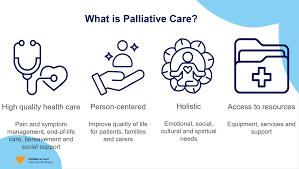
Palliative care plays a crucial role in supporting individuals living with serious or life-limiting illnesses. Its primary aim is to improve quality of life, providing comfort and relief from the physical, emotional, and psychological challenges associated with chronic conditions. In Droitwich, palliative care services are designed to cater to the unique needs of patients and their families, offering a holistic approach that goes beyond mere symptom management.
What is Palliative Care?
Palliative care is a specialised form of medical care focused on alleviating symptoms rather than curing an underlying disease. It is suitable for people at any stage of a serious illness and can be provided alongside curative treatments. Unlike standard healthcare, palliative care emphasises comfort, dignity, and the well-being of both patients and their families.
The scope of palliative care includes managing pain, addressing psychological issues such as anxiety and depression, and providing practical support with daily activities. The approach is interdisciplinary, often involving doctors, nurses, social workers, and other healthcare professionals working together to meet the patient’s needs.
Key Components of Palliative Care
Pain and Symptom Management
One of the main focuses of palliative care is controlling pain and other distressing symptoms. Patients with chronic illnesses often experience pain, fatigue, breathlessness, or nausea, which can significantly reduce quality of life. Palliative care teams use a variety of medical and non-medical interventions to manage these symptoms effectively, ensuring patients remain as comfortable as possible.
Emotional and Psychological Support
Living with a serious illness can be emotionally challenging, not only for the patient but also for their family. Palliative care includes counselling and support services to help individuals cope with stress, fear, and grief. Providing a safe space to express emotions and offering strategies for managing anxiety or depression are integral aspects of this care.
Practical Assistance and Care Planning
Palliative care also addresses practical concerns, including assistance with daily tasks, mobility, and access to community resources. Care planning is tailored to each individual’s needs, often involving discussions about future care preferences and advance directives. This helps ensure that patients receive care in line with their values and wishes.
Support for Families and Caregivers
Families and caregivers often carry a significant emotional and physical burden. Palliative care services provide guidance, respite care, and educational resources to help them manage these responsibilities. The aim is to reduce stress and improve the overall well-being of those supporting the patient.
Palliative Care Settings in Droitwich
In Droitwich, palliative care can be delivered in various settings depending on the patient’s condition and preference. Common settings include hospitals, hospice facilities, and home-based care. Home-based palliative care allows patients to remain in a familiar environment while still receiving professional support, which can be particularly comforting for both the individual and their family.
Hospices in Droitwich offer specialised facilities and a team of professionals trained in end-of-life care. These centres focus on providing a calm and supportive environment where patients can receive comprehensive care, including pain management, counselling, and social support.
Hospital-based palliative care ensures that patients with complex medical needs have access to specialised interventions and continuous monitoring. Multidisciplinary teams in hospitals work closely with primary care providers to coordinate seamless care transitions between different settings.
Benefits of Early Palliative Care
Engaging with palliative care early in the course of a serious illness can offer numerous advantages. Early intervention helps manage symptoms more effectively, reduces unnecessary hospital admissions, and improves overall patient satisfaction. By addressing both physical and emotional needs from the outset, patients can experience a higher quality of life and maintain greater independence for longer.
Early palliative care also allows families to prepare emotionally and practically for future challenges. Open communication between patients, families, and healthcare providers ensures that care preferences are respected, and support systems are in place.
Accessing Palliative Care in Droitwich
Residents of Droitwich seeking guidance on palliative care can explore local services and resources tailored to their needs. Community healthcare providers, local hospitals, and specialised palliative care teams work collaboratively to ensure accessible and personalised care. For more detailed information on services available in the area, patients and families can visit palliative care Droitwich.
Conclusion
Palliative care in Droitwich provides essential support for individuals facing serious illnesses, focusing on comfort, dignity, and overall well-being. Through pain management, emotional support, practical assistance, and family guidance, palliative care ensures a holistic approach that addresses the diverse needs of patients. Early engagement with palliative care enhances quality of life, offering reassurance and support at every stage of the illness journey. By understanding the services available locally, residents can make informed decisions about their care and access the support they need.