County Sports Partnerships
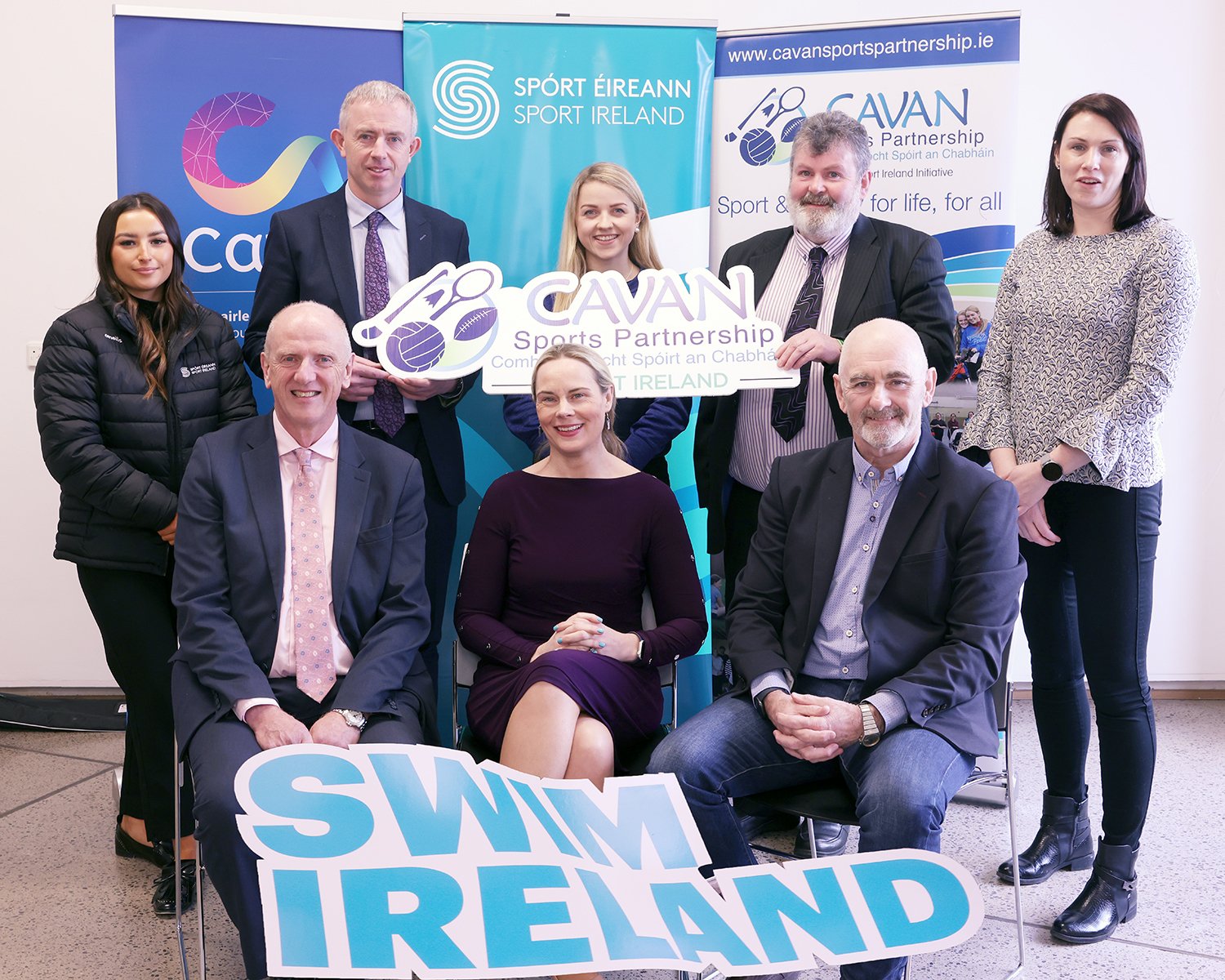
1. Defining the Modern Role of County Sports Partnerships
At their core, county sports partnerships are networks of local agencies committed to increasing participation in sport and physical activity. While they were originally established to provide a sub-regional link for Sport England, their mission has evolved significantly. Today, they act as brokers, bringing together local authorities, the NHS, schools, and community groups to create a cohesive health ecosystem.
The primary goal is no longer just “getting people to play sports.” Instead, the focus has shifted toward reducing inactivity and tackling the stubborn inequalities that prevent certain demographics from moving more. By understanding the specific social and economic barriers within a particular county, these partnerships can direct resources where they will have the greatest impact on public health.
2. The Strategic Transition to Active Partnerships
If you have recently searched for information on this sector, you likely noticed a rebranding. In 2019, the national network of 43 county sports partnerships officially transitioned to the name “Active Partnerships.” This change was more than aesthetic; it reflected a deepening of their mandate.
The transition marked a move away from being “delivery bodies” to becoming “systems leaders.” Rather than running their own football leagues or swimming classes, they now focus on changing the “conditions” of a place. This means working with urban planners to create walkable streets, collaborating with GPs for social prescribing, and supporting local clubs to become more inclusive. This systemic approach ensures that physical activity is baked into the fabric of daily life.
3. Tackling Health Inequalities Through Local Insight
One of the most professional and impactful aspects of county sports partnerships is their data-driven approach to inequality. Statistics consistently show that people from lower socio-economic backgrounds, ethnic minorities, and those with disabilities are less likely to meet recommended activity levels.
Active Partnerships use local “insight” to bridge these gaps. For example:
- Targeted Funding: Directing National Lottery and government grants to underserved wards.
- Cultural Competence: Working with religious and community leaders to design activity sessions that respect cultural norms.
- Disability Inclusion: Providing training for local coaches to ensure their sessions are truly accessible.
By focusing on the “inactive” rather than the “already active,” these partnerships maximize the return on investment for public health, potentially saving the NHS millions in long-term care costs.
4. Bridging the Gap: Education and Youth Engagement
The foundations of a healthy life are laid in childhood. County sports partnerships play a vital role in the education sector, specifically through programs like “Opening School Facilities.” This initiative encourages schools to allow community access to their sports halls and pitches outside of school hours.
By acting as the intermediary, the partnership helps schools navigate the logistics of insurance, staffing, and safety. This turns a school from a gated asset into a community hub. Furthermore, they support the Primary PE and Sport Premium, helping teachers deliver high-quality physical education that inspires children to stay active for life, rather than just for a grade.
5. The Power of Collaboration and System Leadership
No single organization can solve the crisis of physical inactivity alone. The “partnership” element of county sports partnerships is their greatest strength. They host forums where various sectors—which might never otherwise speak—can align their goals.
Imagine a scenario where a local council wants to reduce anti-social behavior, a health board wants to lower diabetes rates, and a local charity wants to improve mental health. A county sports partnership brings these stakeholders to the same table, demonstrating how a single “active park” project can achieve all three objectives. This collaborative leadership prevents the duplication of effort and ensures that local budgets are spent more effectively.
6. How Place-Based Working Transforms Communities
In 2026, “place-based working” has become the gold standard for community development. This philosophy acknowledges that the place where a person lives has a massive influence on their health outcomes. County sports partnerships are the experts in this field.
Instead of a “top-down” approach where national programs are forced onto local towns, these partnerships listen to the community. They might find that a town doesn’t need a new leisure center; it needs better lighting on existing bike paths or a “walking bus” for the local primary school. By solving these hyper-local problems, they remove the friction that keeps people sedentary.
7. The Future of Sports Partnerships in a Digital Age
As we move forward, county sports partnerships are increasingly leveraging technology to drive engagement. From using “Activity Finders” that allow residents to book local classes online to using data analytics to track the impact of their interventions, the sector is becoming more sophisticated.
However, the human element remains irreplaceable. The future of these partnerships lies in their ability to remain “trusted messengers” in their communities. As long as they continue to prioritize relationships and local knowledge, they will remain the most effective tool in the nation’s arsenal for building a healthier, more active population.
The evolution of county sports partnerships into modern Active Partnerships represents a vital shift in how we view community health. By focusing on systems, equity, and local collaboration, they provide a sustainable model for a more active nation.