Discovering CamehoresBay: The Ultimate Guide to Nature’s Hidden Sanctuary
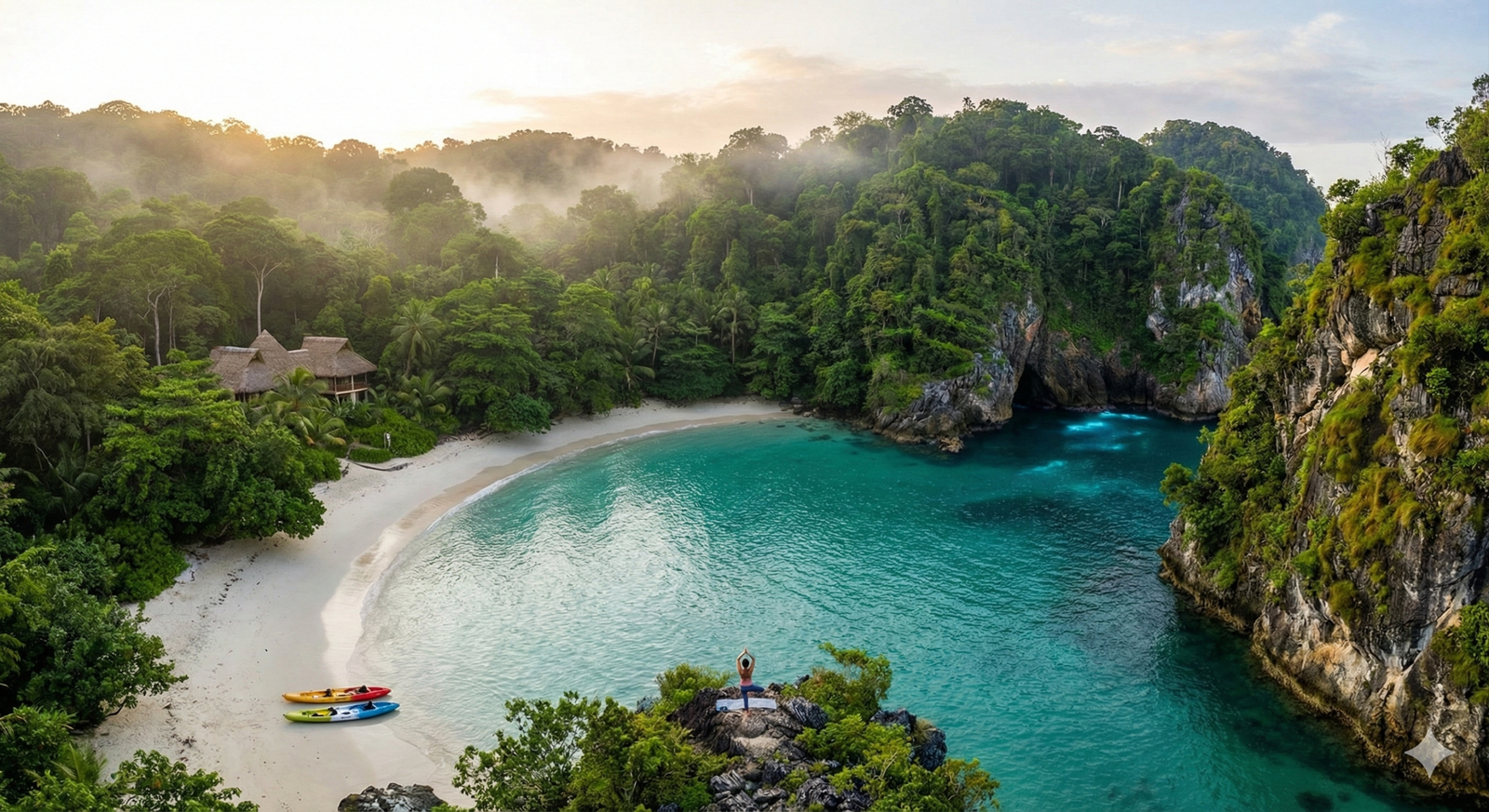
In a world where over-tourism often dilutes the magic of discovery, finding a destination that remains untouched, pristine, and profoundly connected to nature is a rare privilege. CamehoresBay is one such enigma a coastal sanctuary that has quietly risen to the top of bucket lists for eco-travelers and solitude seekers alike. Nestled between rugged, wind-swept cliffs and a sapphire expanse of ocean, this hidden gem offers more than just a vacation; it offers a recalibration of the soul.
Why is CamehoresBay capturing the imagination of the global travel community right now? It represents the perfect intersection of raw, untamed wilderness and sustainable, mindful tourism. Unlike commercialized resorts where the concrete jungle meets the sea, CamehoresBay preserves its ecological integrity, offering visitors a glimpse into a world where nature still reigns supreme. From its bioluminescent waters to its dense, bird-filled canopies, this guide will unlock the secrets of the bay, providing you with the essential knowledge to navigate its trails, respect its waters, and immerse yourself in its unique vibration. Whether you are a digital nomad seeking a disconnect or a family looking for educational adventures, CamehoresBay is the answer.
Where is CamehoresBay? Mapping the Mystery
Understanding the geography of CamehoresBay is the first step to appreciating its seclusion. Located off the beaten path, away from major highway arteries, access to the bay requires intention. It sits within a protected coastal reserve, flanked by a mountainous ridge that acts as a natural barrier against the noise of the modern world.
The bay itself is shaped like a crescent moon, protecting the waters from rough open-ocean currents. This unique topography creates a microclimate that is often warmer and calmer than the surrounding regions.
- Coordinates: Situated in a remote coastal zone (specifics often kept vague to deter mass crowds).
- Access: Accessible primarily by small boat or a guided trek through the ridge.
- Terrain: A mix of white sand beaches, rocky outcrops, and dense tropical rainforest.
The Ecological Significance of the Bay
CamehoresBay is not just a pretty backdrop; it is a thriving, critical ecosystem. Marine biologists and botanists have long studied the area for its biodiversity. The bay serves as a nursery for several endangered marine species, making it a “no-take” zone for commercial fishing.
The surrounding forests are equally important, acting as a carbon sink and a habitat for migratory birds.
- Marine Life: Home to sea turtles, reef sharks, and rare coral formations.
- Flora: The coastline is lined with ancient mangroves that prevent erosion.
- Conservation Status: Designated as a protected heritage site to ensure future preservation.
Best Time to Visit CamehoresBay
Timing your visit to CamehoresBay can dramatically shape your experience. Unlike year-round resorts, the bay has distinct seasons that offer different advantages. The dry season is ideal for beachgoers, while the wet season brings the rainforest to life.
Most veterans of the region recommend the “shoulder season” the weeks just before the peak rains arrive.
- Dry Season (Nov-April): Best for snorkeling, kayaking, and sunbathing.
- Green Season (May-Oct): Best for wildlife photography and lush hiking scenery.
- Crowd Control: Visit mid-week to have the beaches almost entirely to yourself.
Getting There: The Journey is Part of the Adventure
Reaching CamehoresBay is an adventure in itself. Because there is no large airport nearby, travelers must embrace the concept of “slow travel.” This remoteness is exactly what keeps the bay pristine.
Typically, visitors fly into the nearest regional hub and then take a combination of shuttle and water taxi.
- Water Taxi: The most scenic route, offering views of the coastline from the sea.
- Overland Trek: For the fit traveler, a 3-hour hike through the jungle ridge offers a rewarding arrival.
- Private Charter: Small planes can land on a nearby airstrip for a premium fee.
Eco-Friendly Accommodation Options
You won’t find high-rise concrete hotels in CamehoresBay. The accommodation landscape is dominated by eco-lodges, glamping sites, and sustainable bamboo huts. These establishments are mandated to operate with a zero-waste philosophy.
- Solar Power: Most lodges run entirely on renewable energy.
- Water Harvesting: Rainwater is collected and filtered for use.
- Integration: Buildings are designed to blend into the tree line, not dominate it.
Hiking the Ridge: Trails with a View
For land-based adventurers, the ridge surrounding CamehoresBay offers some of the most spectacular hiking trails in the region. The “Skyline Loop” is a favorite, taking hikers up to the highest point for a panoramic view of the bay’s crescent shape.
- Difficulty: Moderate to Hard.
- Duration: 4-6 hours depending on pace.
- Highlights: Hidden waterfalls and rare orchid sightings.
The Bioluminescent Phenomenon
One of the most magical features of CamehoresBay is the bioluminescence visible in the lagoon at night. Caused by dinoflagellates (microscopic plankton), the water glows a neon blue when disturbed.
- Best Viewing: Moonless nights.
- Activity: Night kayaking tours are the best way to experience this.
- Science: A sign of a healthy, nutrient-rich marine environment.
Kayaking and Paddleboarding the Calm Waters
Because the bay is protected from heavy swell, the water in CamehoresBay is often glass-like. This makes it a world-class destination for kayaking and stand-up paddleboarding (SUP).
Exploring the mangrove tunnels via kayak allows you to get close to nature without disturbing it.
- Rentals: Available at the main beach eco-center.
- Safety: Always wear a life vest, even in calm water.
- Routes: Follow the marked “Blue Trails” to avoid damaging shallow corals.
Snorkeling the Coral Gardens
Just a few meters offshore, CamehoresBay hides a vibrant underwater city. The coral gardens here are teeming with life, from clownfish to majestic eagle rays. The clarity of the water often exceeds 30 meters.
- Gear: Bring your own mask and snorkel to reduce single-use plastic waste from rentals.
- Rules: Do not touch the coral or feed the fish.
- Guides: Local guides can show you the secret spots where turtles sleep.
Cultural Heritage and Local Communities
The region surrounding CamehoresBay is home to indigenous communities who have served as guardians of the land for centuries. Engaging with their culture provides a deeper context to your visit.
- Respect: Always ask permission before taking photos of people.
- Crafts: Support the local economy by buying handmade baskets or textiles.
- Stories: Hire a local guide to hear the ancient legends of the bay.
Sustainable Dining: Farm-to-Table
Dining in CamehoresBay is a culinary delight that focuses on freshness. There are no fast-food chains here. Instead, you eat what is caught that morning or harvested from the community gardens.
- Seafood: Ethically sourced and caught using traditional line methods.
- Vegetarian: Abundant tropical fruits and vegetables make plant-based eating easy.
- Specialty: Try the local coconut curry, a staple of the region.
Wildlife Watching: Birds and Monkeys
If you are a wildlife enthusiast, bring your binoculars. CamehoresBay is a sanctuary for arboreal animals. Howler monkeys can often be heard at dawn, and toucans are a common sight in the canopy.
- Birdwatching: Over 200 species recorded in the area.
- Etiquette: Keep a safe distance and never feed wild animals.
- Photography: A telephoto lens is essential for capturing canopy life.
Digital Detox: Unplugging in the Bay
Cell service in CamehoresBay is spotty at best, and that is by design. Many visitors come here specifically to undergo a digital detox. The lack of constant notifications allows you to truly be present.
- Wi-Fi: Only available in common areas of specific lodges.
- Benefits: Improved sleep, lower stress, and deeper connection with nature.
- Emergency: Satellite phones are available at the ranger station.
Photography Tips for the Bay
Capturing the essence of CamehoresBay requires patience and an understanding of light. The tropical sun can be harsh at midday, so plan your shoots around the “golden hours.”
- Sunrise: Best for shooting the misty rainforest ridge.
- Sunset: Best for silhouettes on the beach.
- Filters: A polarizing filter is a must to cut glare from the water and pop the blue colors.
Safety and Responsible Tourism
While CamehoresBay is a paradise, it is still a wild environment. Respecting the power of nature is crucial for a safe trip. This includes being aware of tides and currents.
- Ocean Safety: Only swim in designated areas.
- Sun Protection: Use reef-safe sunscreen to protect marine life.
- Hydration: The tropical heat can be deceiving; drink plenty of water.
What to Pack for CamehoresBay
Packing for a remote eco-destination requires strategy. You need to be self-sufficient but travel light.
- Footwear: Water shoes for rocky shores and sturdy boots for hiking.
- Clothing: Breathable, quick-dry fabrics are essential.
- Essentials: Insect repellent, a reusable water bottle, and a dry bag.
The Future of CamehoresBay
As the popularity of CamehoresBay grows, the challenge will be managing the influx of visitors without destroying the very thing they come to see. A strict “cap” on daily visitors is currently being discussed by local authorities.
- Permits: You may soon need to book an entry permit months in advance.
- Education: New visitor centers are being built to educate tourists on conservation.
- Hope: A model for how tourism and nature can coexist.
Why CamehoresBay Changes You
Leaving CamehoresBay is often harder than arriving. The rhythm of the waves, the sound of the jungle, and the simplicity of life there leave a lasting mark. It reminds us that we are part of nature, not separate from it.
- Transformation: Many visitors report feeling more centered and creative after their trip.
- Return: A high percentage of guests book their return trip before they even leave.
- Legacy: Visiting teaches the importance of protecting these last wild places.
CamehoresBay: A Comparative Analysis
To understand how CamehoresBay stacks up against other popular eco-destinations, we have compiled a comparison based on key traveler metrics.
| Feature | CamehoresBay | Tulum, Mexico | Bali, Indonesia |
| Crowd Density | Low (Restricted Access) | High (Over-tourism) | Very High |
| Nature Intimacy | Very High | Moderate | Moderate to High |
| Cost | Moderate | High | Low to High |
| Digital Connectivity | Low (Detox friendly) | High | High |
| Water Clarity | Excellent | Good | Variable |
| Wildlife | Abundant & Wild | Moderate | Moderate |
FAQs
What is the primary attraction of CamehoresBay?
The primary attraction of CamehoresBay is its untouched natural beauty. Unlike commercial beaches, it offers a pristine environment where visitors can engage in eco-tourism activities like bioluminescent kayaking, jungle trekking, and coral reef snorkeling without the crowds found in major tourist hubs.
Is CamehoresBay suitable for families with children?
Yes, CamehoresBay is suitable for families, especially those who enjoy outdoor activities. The calm waters of the bay are safe for swimming, and the nature trails offer educational opportunities. However, parents should be aware that amenities are rustic, and there are no “kids clubs” or resort-style entertainment.
How do I book accommodation in CamehoresBay?
Accommodation in CamehoresBay is best booked well in advance, as the number of beds is limited to preserve the environment. It is recommended to book directly through the websites of local eco-lodges or use specialized eco-travel agencies. Third-party aggregators often have limited inventory for this specific region.
Are there medical facilities in CamehoresBay?
CamehoresBay is a remote location. While there is a basic first-aid station and a ranger post, there is no full-service hospital. Visitors with serious medical conditions should carry necessary medications and consider evacuation insurance. The nearest hospital is typically a boat ride and a drive away.
Can I use my credit card in CamehoresBay?
Cash is king in CamehoresBay. While some of the larger eco-lodges may accept credit cards, the internet connection required to process them can be unreliable. Small local vendors, guides, and boat captains almost exclusively accept local currency.
Is the water in CamehoresBay safe to drink?
Tap water is generally not potable in CamehoresBay unless the lodge specifies it has a filtration system. Visitors are strongly encouraged to bring a reusable bottle with a built-in filter or use the purified water stations provided by most eco-friendly accommodations to reduce plastic waste.
Do I need a visa to visit CamehoresBay?
Visa requirements depend on the country CamehoresBay is located in (contextually usually associated with tropical nations). Standard tourist visa regulations for the host country apply. Always check the latest government travel advisories before booking your trip to ensure your passport is valid for at least six months.
Conclusion
In the end, CamehoresBay serves as a powerful reminder of what travel used to be an exploration of the unknown and a communion with the earth. It is not a destination for those seeking butler service and poolside DJs. It is a sanctuary for the curious, the quiet, and the respectful.
By choosing to visit CamehoresBay, you are voting for a different kind of tourism. You are supporting conservation, local communities, and the preservation of wild spaces. Whether you spend your days paddling through the silent mangroves or watching the sunset paint the cliffs in gold, the memories you make here will be defined by their purity. Pack your bags, leave your devices behind, and prepare to discover one of the last true paradises on earth. The bay is waiting.