
Brentwood renter refuses to leave, owner says she owes ‘tens of thousands’ in back rent
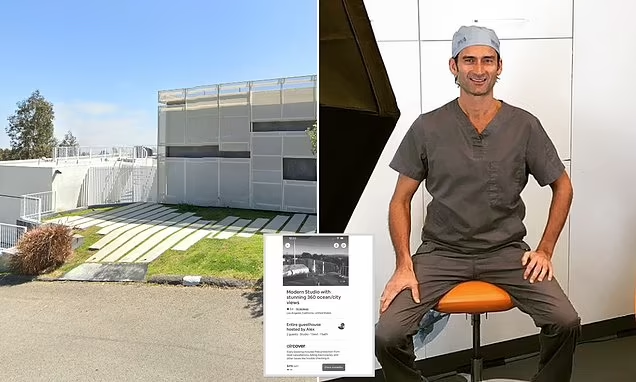
Table of Contents
Introduction to the situation
In the heart of Brentwood, a rental dispute has escalated into a complex and emotionally charged standoff. Elizabeth Fraley Kinder finds herself at the center of a brewing storm, refusing to vacate her rented property despite claims from her landlord that she owes “tens of thousands” in back rent. This situation raises critical questions about tenants’ rights, landlords’ responsibilities, and the often murky waters of rental agreements. As tensions rise between tenant and owner, both parties must grapple with the implications of their choices—setting the stage for a potential showdown in court that could redefine their lives.
Background information on rental laws and eviction process in Brentwood
Brentwood’s rental laws are designed to protect both tenants and landlords. They establish clear guidelines on lease agreements, rent payments, and tenant responsibilities.
When a renter fails to pay rent or violates the terms of their lease, eviction becomes an option for property owners. The process typically starts with a notice, which must be served to the tenant detailing the issues at hand.
If the situation doesn’t resolve after this initial step, landlords can file an unlawful detainer action in court. This legal move allows them to seek formal eviction proceedings.
It’s crucial for renters to know their rights during this process as well. Many local organizations provide resources that help tenants understand how they can defend themselves if facing eviction.
Awareness of these laws is vital in maintaining healthy landlord-tenant relationships while ensuring everyone abides by their obligations under state regulations.
Interviews with the renter and owner
When speaking with Elizabeth Fraley, the renter at the center of this dispute, her emotions were palpable. She expressed feelings of uncertainty and fear about her current living situation. “I never intended for it to get this far,” she said. Her perspective sheds light on the complexities many renters face today.
On the other side, we spoke to the property owner who was visibly frustrated. He claims that he has been more than patient but feels taken advantage of by not receiving rent for months. “It’s tens of thousands owed,” he stated firmly, highlighting his struggle to maintain his property amidst increasing financial burdens.
Both parties share a story of hardship and misunderstanding. The differing viewpoints reflect broader issues within rental agreements and highlight how crucial communication is in these scenarios, especially when legal actions loom on the horizon.
Possible reasons for the renter’s refusal to leave
Many factors could contribute to the renter’s refusal to leave. Economic hardship is often a significant reason. If they face job loss or rising living costs, paying rent can become nearly impossible.
Emotional ties to a home also play a role. For some renters, their residence isn’t just a place to live; it’s where memories have been made. This attachment can lead to resistance against eviction, even amidst financial struggles.
Additionally, misconceptions about tenant rights might fuel defiance. The renter may believe they’re entitled to stay longer than legally allowed due to misinformation or confusion about local laws.
Fear of homelessness is another powerful motivator. The uncertainty of finding affordable housing can make leaving seem daunting and overwhelming for anyone in that situation.
Last but not least, underlying disputes with the landlord may complicate matters further, leading the renter to dig in their heels rather than negotiate solutions amicably.
Consequences for the owner and renter if the situation continues
The ongoing standoff between the Brentwood renter and owner can lead to significant consequences for both parties. For the owner, prolonged non-payment of rent creates financial strain. Accumulating debt from unpaid rent can threaten their ability to manage property expenses, including mortgage payments.
On the other hand, the renter faces potential legal ramifications. If this situation escalates into court proceedings, they risk losing their home altogether. An eviction could also tarnish their rental history, making future housing applications difficult.
Additionally, emotional stress mounts for both sides. The conflict disrupts daily life and strains relationships not only between them but within their communities as well.
Should negotiations fall through, costs related to legal fees will further burden both parties. This escalating cycle emphasizes how essential it is for landlords and tenants to communicate openly about issues like payment delays or lease terms before things spiral out of control.
Solutions and alternatives for both parties
For the owner, open communication is key. A conversation could reveal underlying issues that may lead to a resolution. Providing flexibility on payment plans might encourage the renter to settle outstanding debts.
Mediation services can also be beneficial. These neutral parties facilitate discussions and help both sides reach an agreement without resorting to legal action.
On the renter’s side, seeking assistance from local housing organizations is crucial. They often offer resources for financial aid or advice on navigating tenant rights.
Exploring options like temporary relocation could provide breathing room for both individuals involved. This way, the renter finds a new home while allowing the owner to reclaim their property peacefully.
Finding common ground through cooperation fosters goodwill and prevents further complications in this challenging situation.
Conclusion: highlighting the importance of understanding rental agreements and respecting landlords’ rights
Understanding rental agreements is crucial for both tenants and landlords. The complexities of residential leases can lead to misunderstandings, as seen in the ongoing case involving Elizabeth Fraley and her landlord.
Renters need to be aware of their responsibilities, particularly regarding timely rent payments. This situation underscores why it’s essential for tenants to maintain open communication with landlords and seek assistance if they encounter financial difficulties.
Landlords also have rights that must be respected. They rely on rental income to cover property expenses and support their livelihoods. Clear agreements should outline expectations from both parties.
Respecting these legal frameworks can help prevent disputes like the one unfolding in Brentwood. It serves as a reminder that knowing your rights—and obligations—can pave the way for more harmonious living situations between renters and owners alike.



![Pyntekvister: A Simple Guide to Nordic Branch Decorating [2025]](https://thetophints.com/wp-content/uploads/2025/11/images-13.jpg)
